

What Happens in the First 30 Minutes of a Recording Session?
Reading Time: 4 minutes
The Short Answer
If it's your first time in a professional recording studio, the first 30 minutes are rarely spent recording.
Instead, this time is used to get comfortable, discuss the plan for the session, set up equipment and make sure everyone understands what you're hoping to achieve.
Although it may feel like nothing is happening, these first few minutes often determine how smoothly the rest of the day will run.
Why We Don't Press Record Straight Away
One of the biggest surprises for first-time artists is that nobody walks into a professional recording studio and starts recording within two minutes.
The first part of the session is all about preparation.
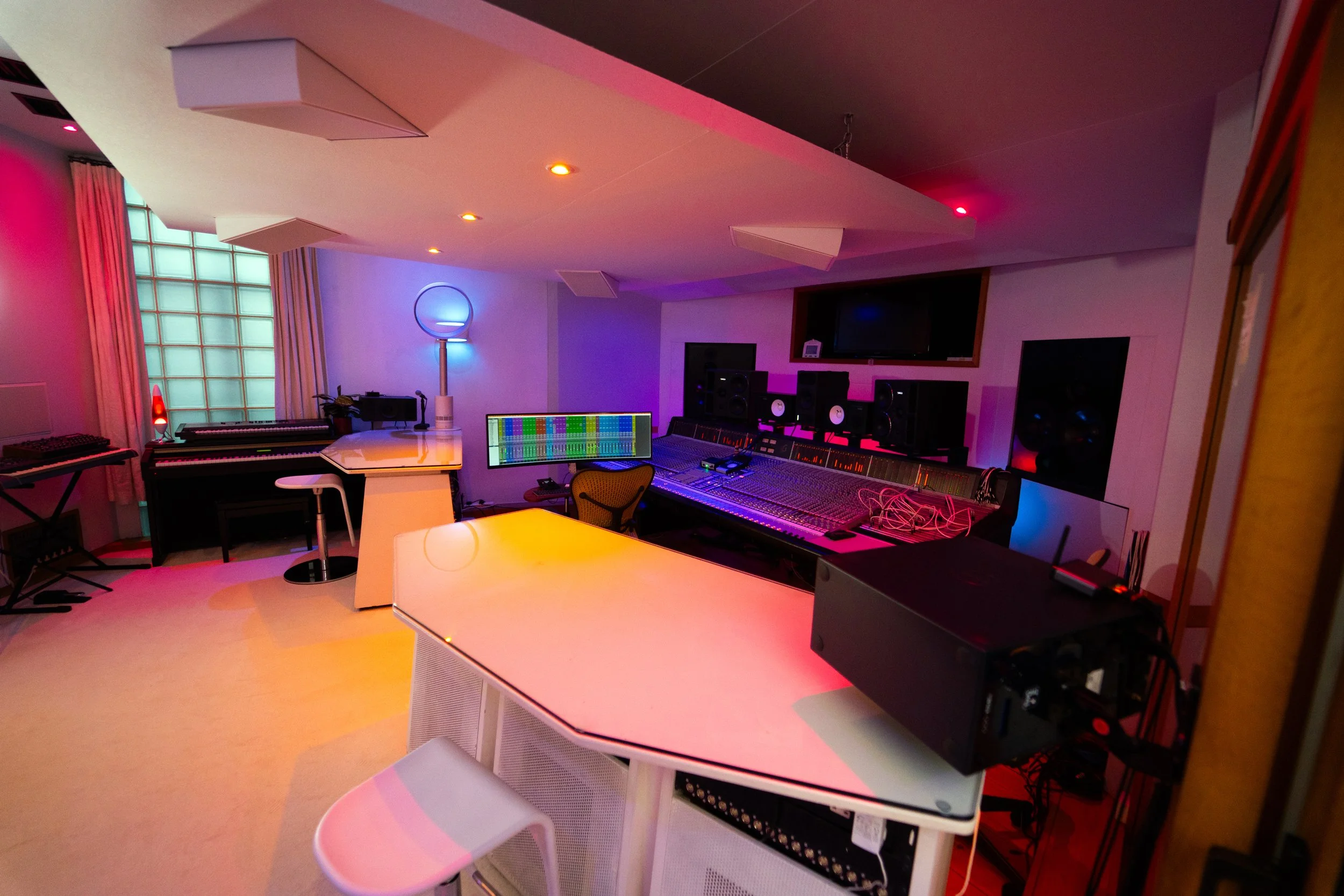
We'll usually begin by showing you around the studio, introducing you to the space and talking through your goals for the day. If you've brought backing tracks, stems or reference songs, we'll organise everything before recording begins.
If you're recording instruments, we'll start setting up microphones, headphone mixes and making sure everything is working exactly as it should.
Although it may seem like we're delaying the recording, we're actually creating the best possible environment for the rest of the session.
Planning Saves Time
Before anyone performs a note, we'll usually have a conversation about the session.
Some of the questions we might ask include:
Which song would you like to start with?
Are the lyrics finished?
Do you have any reference tracks?
Are there any sections you're unsure about?
Are we aiming to finish the recording today, or leave time for editing and mixing later?
A simple conversation at the beginning of the session often saves hours later in the day.
Setting Up Isn't Wasted Time
The amount of setup depends entirely on what you're recording.
A vocal session over a finished backing track might only take a few minutes.
An acoustic guitar and vocal session may take a little longer.
A full band recording session can take several hours before the first note is recorded.
That preparation isn't slowing the session down.
It's what allows the recording itself to run smoothly once everyone starts performing.
Westpoint Insight
The first 30 minutes aren't about equipment—they're about confidence.
When artists feel relaxed, understand the plan and know what to expect, they almost always perform better. A calm start to the day is one of the simplest ways to improve the quality of a recording session.
Continue Learning
You might also find these Westpoint Answers helpful:
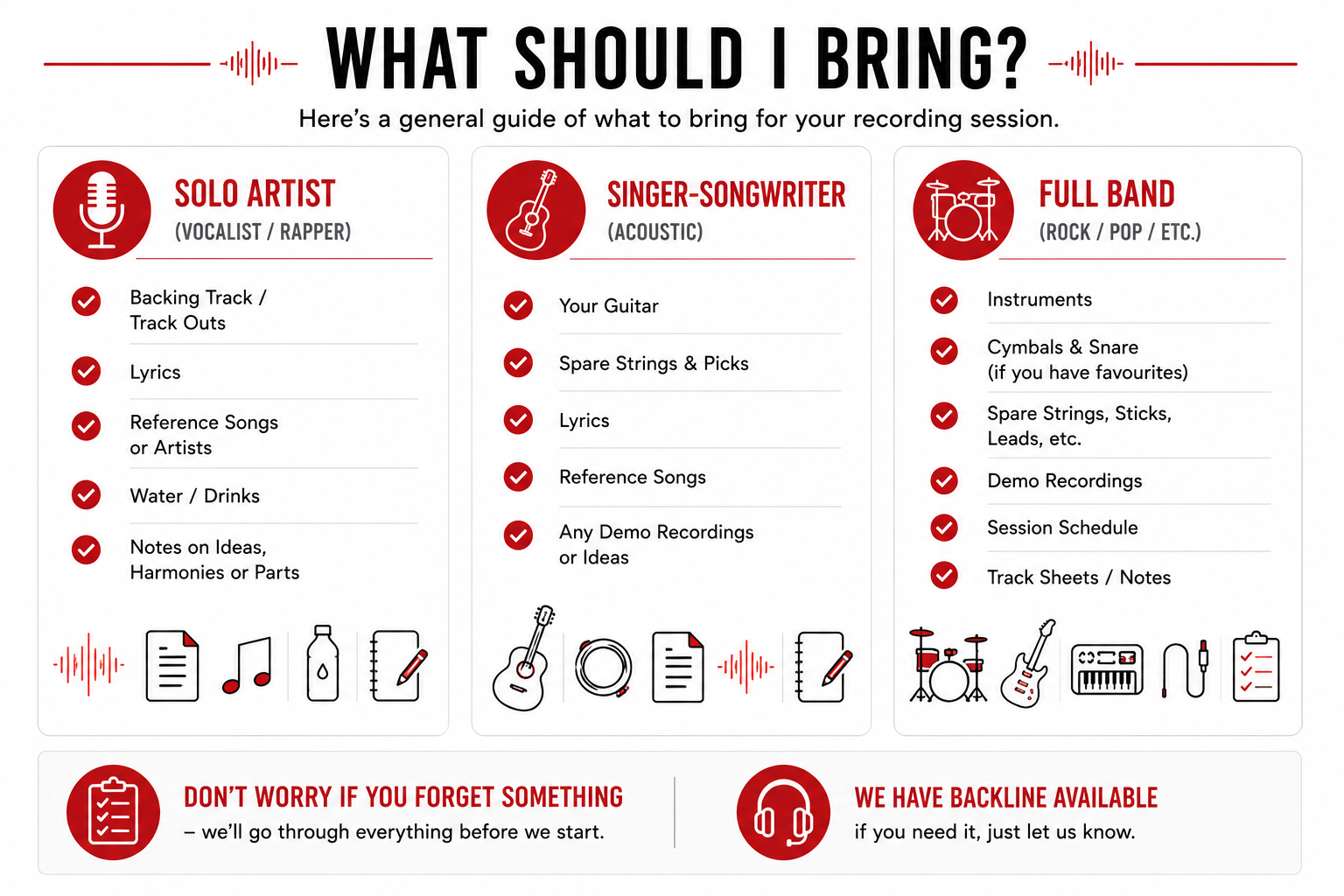
What Should I Bring to a Recording Session?
When Does Recording Actually Start?
What If I'm Nervous in the Studio?
Before You Leave
Many artists arrive expecting the recording to begin immediately.
Ironically, the sessions that achieve the best results are usually the ones that don't rush.
Spending a little time planning at the beginning often saves far more time than it costs, reduces pressure and helps everyone enjoy the creative process.
Need Some Advice?
Every recording session is different.
If you're not sure how much studio time you'll need, or simply want to talk through your project before booking, we'd be happy to help.
Get in touch and we'll recommend the best session for your goals and budget.