How Long Should I Book to Record One Song?
Westpoint Studios Answers
5-minute read
Ideal for first-time artists, bands and independent musicians
Last updated: July 2026
If you're recording your first song, my advice is usually quite simple.
Book a half day if you're a solo artist.
Book a full day if you're recording a band.
Will you finish everything?
Maybe.
Maybe not.
And that's perfectly okay.
Your first session isn't just about making a record. It's about discovering what's possible, understanding how you work in the studio and building a relationship with your engineer. Once we've worked together on one song, it's much easier to plan every session after that.
In This Answer
Your First Session Is Different
One of the biggest mistakes first-time artists make is thinking the goal is simply to finish a song.
Of course, we all want to leave with a great recording, but your first session is also about getting to know each other.
It's a chance for us to understand your goals, your influences and how you like to work. Just as importantly, it's your opportunity to discover what a professional recording studio can actually do.
Most artists leave their first session having learnt something they didn't know when they walked in.
That might be a vocal production technique, a new recording approach or simply a better understanding of how songs come together professionally.
That's one of the reasons your first session is so valuable.
Solo Artists
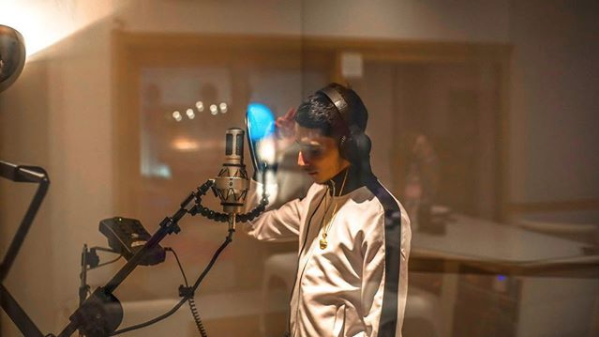
If you're recording vocals over an existing instrumental, I'd normally recommend booking a half day.
That gives us enough time to settle in, discuss the direction of the song and concentrate on getting a performance rather than simply capturing a vocal.
If everything goes brilliantly, fantastic.
If we feel the song deserves a little more attention, there's no pressure to rush. We can always continue another day or, if everything has been recorded, complete the editing and mixing remotely.
I'd much rather finish with a great performance than stop simply because the clock says it's time to leave.
Bands
Bands are a different story.
Unlike a vocal session, a large part of the day is spent preparing before anyone plays a note.
Microphones need positioning.
Headphone mixes need creating.
Amplifiers need checking.
A full drum setup may involve twelve or more microphones, all carefully positioned and checked before recording begins.
For that reason I'd normally recommend booking a full day for your first session.
If you're planning to record several songs, it's often far more efficient to keep the setup in place and record them together than repeat the entire process on separate days.

What Actually Determines How Long a Song Takes?
People often assume it's the length of the song.
In reality, that's rarely the biggest factor.
A three-minute song can easily take longer than a six-minute song if the production is more detailed.
Some of the biggest factors include:
Your experience as a performer.
Whether the song is already written.
The number of vocal layers.
The complexity of the arrangement.
The number of musicians involved.
Whether you're recording, mixing or both.
How polished you want the final result to be.
Every project is different, which is why it's difficult to answer with one number.
After your first session, though, we usually have a very good idea of how long future songs are likely to take.
Why More Time Often Saves Money
This might sound backwards, but booking a little more time often works out better value.
When artists feel rushed, they naturally become more focused on finishing than improving.
When there's time to experiment, people become more creative.
Maybe we try another harmony.
Maybe we rewrite a lyric.
Maybe we decide the bridge needs stripping back.
Those ideas rarely appear when everyone is watching the clock.
Giving yourself a little breathing space often leads to a much better record.
Inside Westpoint
One thing we've learnt over thousands of recording sessions is that artists almost never regret booking a little more time.
What they do regret is feeling rushed.
Another piece of advice I often give is to live with the song for a day or two before making final decisions.
Listen in the car.
Listen on headphones.
Listen at home.
Fresh ears almost always lead to better decisions.
A tweak that feels essential at midnight often isn't needed the following afternoon.
Continue Exploring
More answers are being added every week.
Ready to Record?
Whether you're recording your first single or planning a larger project, we're always happy to discuss your goals before you book.
Sometimes, a ten-minute conversation before the session can save hours once you're in the studio.
About Westpoint Answers
Westpoint Answers is our growing library of practical recording advice, built from more than 30 years of professional studio experience.
Whether you're recording your first demo or your next album, our aim is to help artists make better creative decisions before they even step into the studio.
What Happens in the First 30 Minutes of a Recording Session?
Westpoint Studios Answers
4-minute read
Ideal for first-time artists
Last updated: July 2026
If it's your first time in a professional recording studio, you might expect to walk in, put the headphones on and start recording within a couple of minutes.
In reality, that's rarely how professional sessions begin.
The first half hour is about getting comfortable, discussing the plan for the day and making sure everyone understands what you're hoping to achieve. It might not seem like much is happening, but those first thirty minutes often determine how smoothly the rest of the session will run.
In This Answer
Why We Don't Press Record Straight Away
One of the biggest surprises for first-time artists is that nobody walks into a professional recording studio and starts recording immediately.
The beginning of the session is about preparation.
We'll usually show you around the studio, introduce you to the room you'll be working in and have a chat about your goals for the day.
If you've brought backing tracks, stems or reference songs, we'll organise everything before recording begins.
If you're recording instruments, we'll start setting up microphones, headphone mixes and making sure everything is working exactly as it should.
Although it may feel like we're delaying the recording, we're actually creating the best possible environment for the rest of the session.
Planning the Session
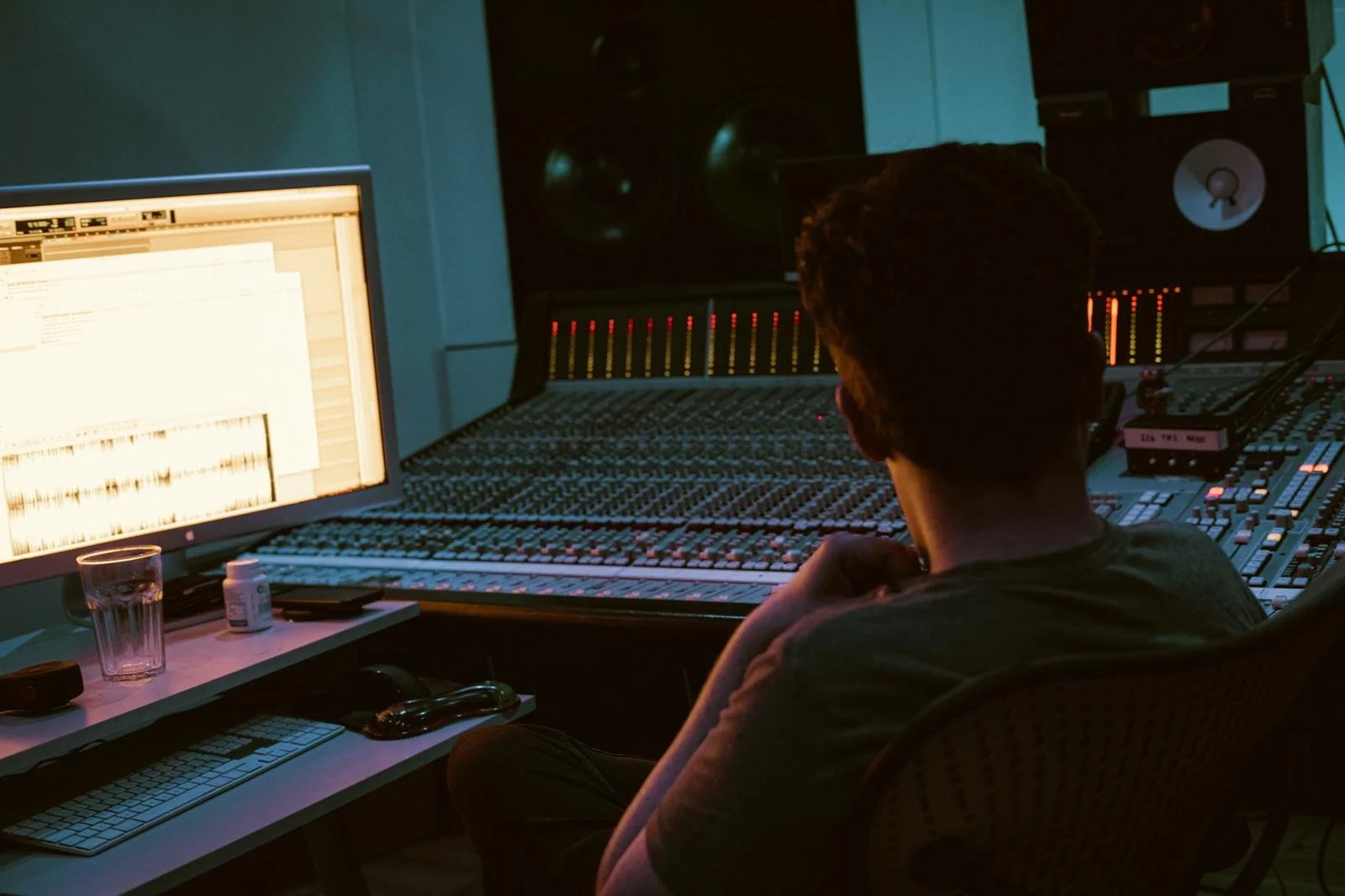
Before anyone performs a note, we'll usually have a conversation about what you'd like to achieve.
Some of the questions we might ask include:
Which song would you like to start with?
Are the lyrics finished?
Have you brought any reference tracks?
Are there any sections you're unsure about?
Are we aiming to complete the recording today, or would you like to leave time for editing and mixing?
Five or ten minutes spent planning at the beginning of the session can easily save an hour later in the day.
Why Setup Isn't Wasted Time
The amount of preparation depends entirely on what you're recording.
A vocal session over a finished backing track might only take a few minutes to set up.
An acoustic guitar and vocal session may take a little longer.
A full band recording session can take several hours before the first note is recorded.
That isn't wasted time.
It's what allows the recording itself to run smoothly once everyone starts performing.
Professional recordings begin long before someone sings into a microphone.
They begin with preparation.
Shane Says
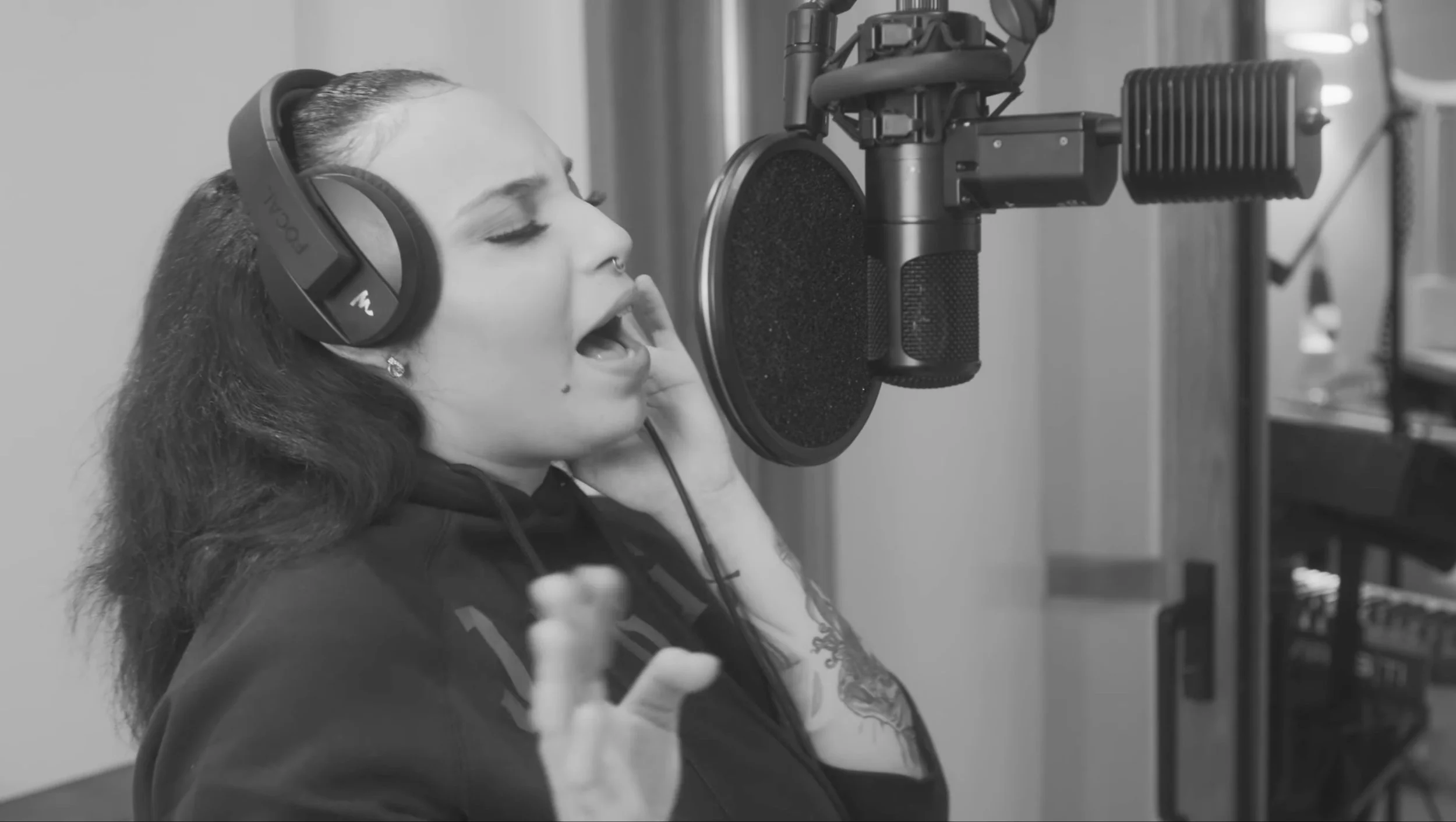
One thing I've noticed over the years is that artists often think the recording session starts when they step into the vocal booth.
For me, the session starts much earlier than that.
It starts with the conversation.
The more relaxed you are, the clearer the plan is and the better we understand what you're trying to achieve, the better the performance usually becomes.
Continue Reading
Ready to Record?
Every project is different.
If you're not sure how much studio time you'll need, or simply want to talk through your ideas before booking, we'd be delighted to help.
Get in touch and we'll recommend the best session based on your goals, budget and experience.
About Westpoint Answers
Westpoint Answers is our growing library of practical recording advice, built from more than 30 years of professional studio experience.
Whether you're recording your first demo or your next album, our aim is to help artists make better creative decisions before they even step into the studio.