

What Happens During a Recording Session?
For many first-time artists, stepping into a professional recording studio is an experience in itself.
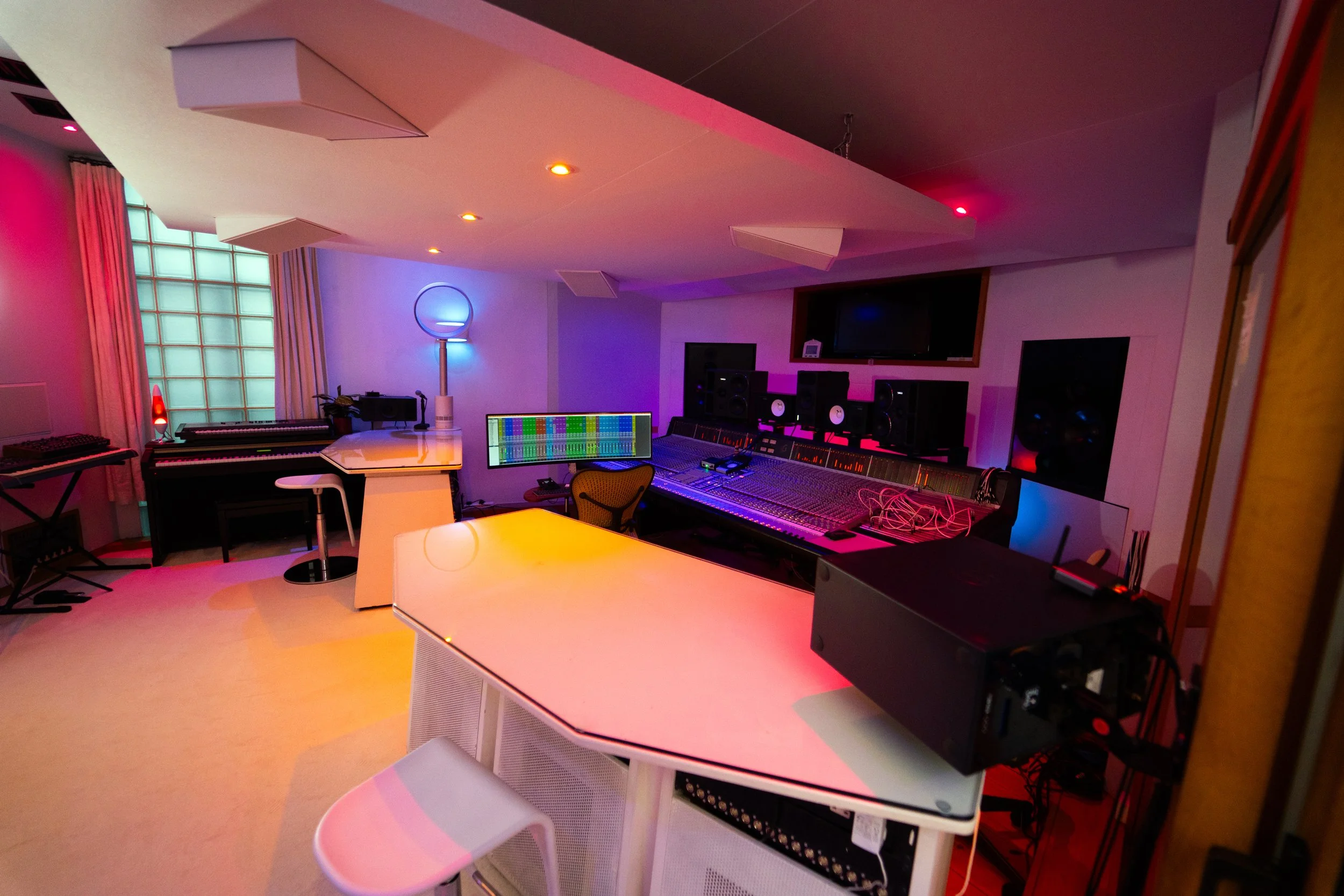
One of the first things people notice when they arrive at Westpoint Studios is how different a commercial recording environment feels compared to a bedroom, rehearsal room or home studio. The space is acoustically treated, exceptionally quiet when no music is playing, and filled with instruments, microphones and creative tools that encourage experimentation.
For many artists, simply seeing the space for the first time helps build excitement for the session ahead.
The First 15–30 Minutes
Despite what you might see in films, nobody walks into a recording studio and starts recording within two minutes.
The first part of a session is usually spent:
Getting comfortable in the space
Meeting the engineer
Discussing goals for the day
Reviewing the schedule
Downloading or importing session files
Setting up microphones and instruments
Answering any questions before recording begins
This planning stage is important because it helps avoid surprises later in the day.
For example, if an artist arrives expecting to record a full band in two hours, we'll quickly explain that setup alone could take a significant portion of that time. Having a realistic plan allows everyone to enjoy the process and make the most of the session.
What Should You Bring?
The answer depends on the type of session.
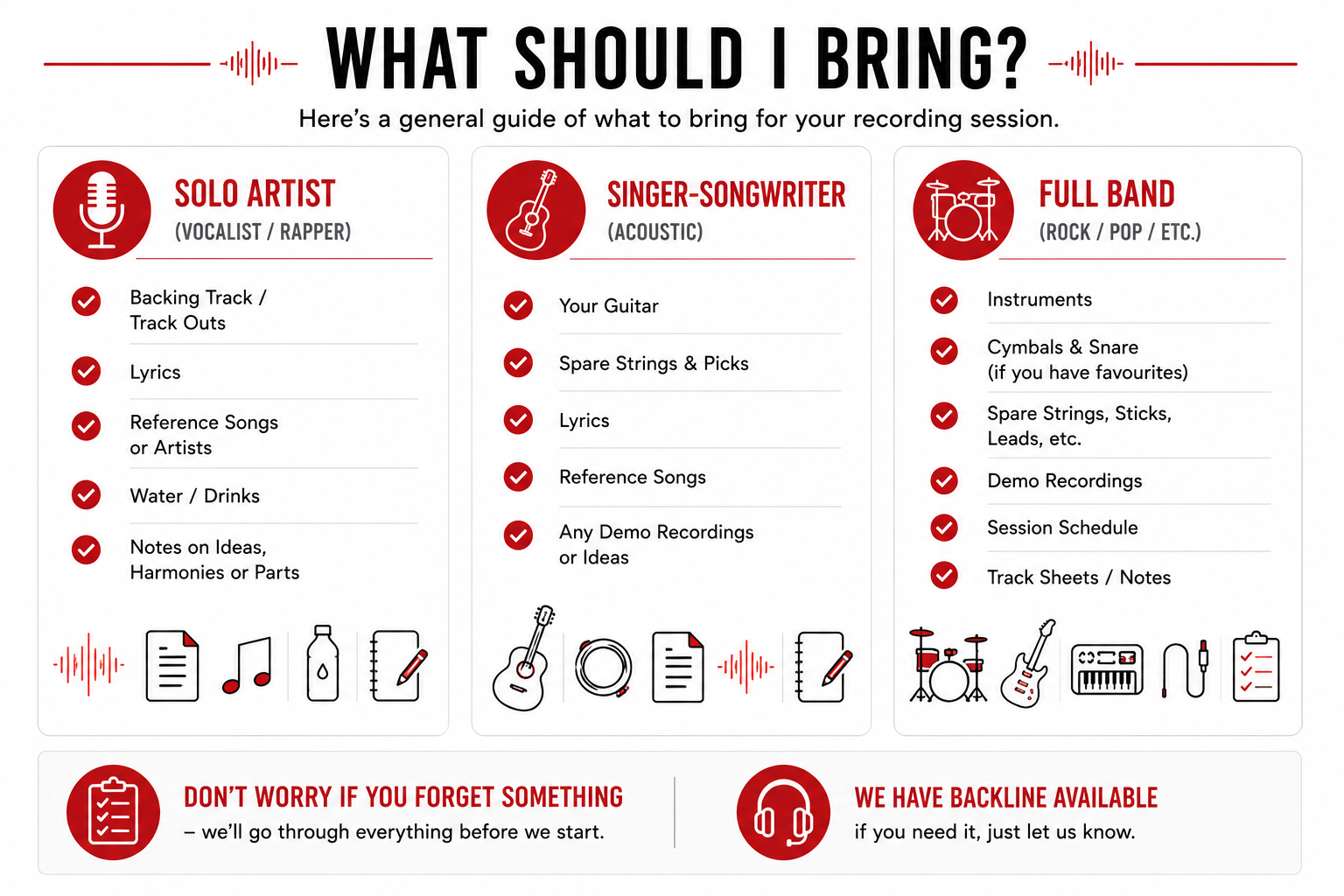
For a solo artist recording vocals over an existing instrumental, we would normally recommend bringing:
The backing track or instrumental
Track-outs if available (the individual elements of the production)
Lyrics
Any reference tracks you'd like us to hear
For singer-songwriters, we generally recommend bringing your own instrument. Although we have instruments available, artists are normally most comfortable performing on the guitar, bass or keyboard they have been practising with.
For drummers, we often recommend bringing what we call "breakables":
Cymbals
Snare drum
Kick pedal
These items often contribute heavily to a drummer's personal sound and feel.
Setting Up For Recording
Setup time varies enormously depending on the session.
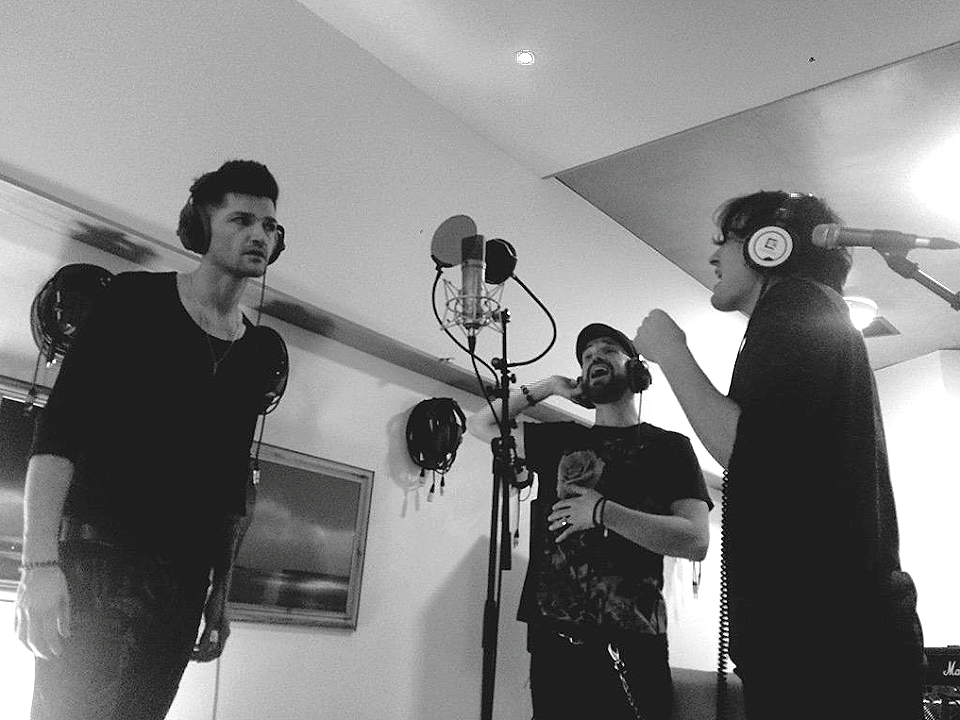
A vocal session might be ready to go within 5–10 minutes.
An acoustic guitar and vocal session may take around 15–20 minutes.
A full band recording session can take several hours.
This is particularly true when recording drums. It's not unusual for a professional drum recording setup to involve 11 or more microphones before considering guitars, bass, keyboards and vocals.
The larger the production, the more preparation is required before the first note is played.
When Does Recording Actually Start?
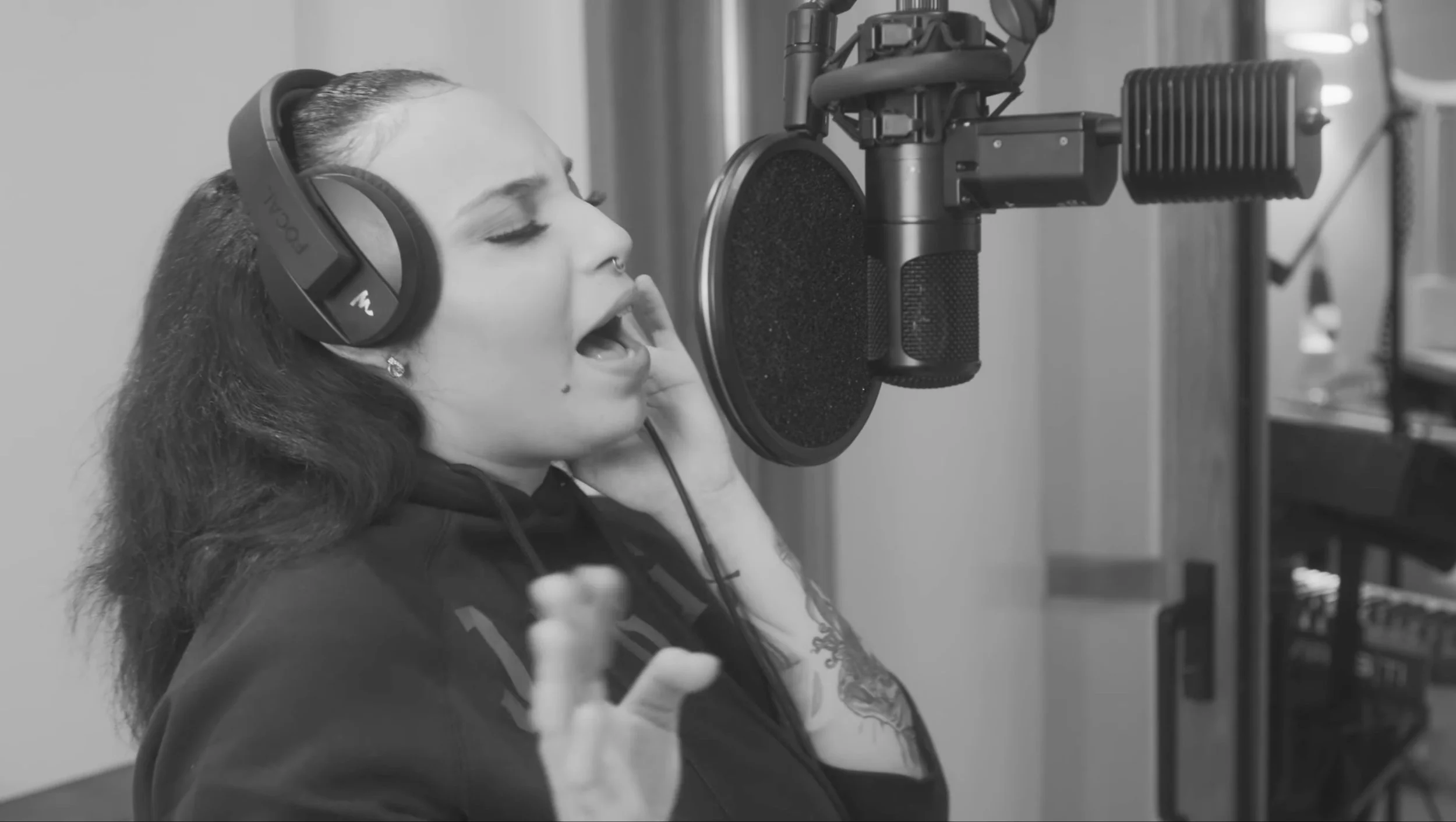
Technically, recording starts the moment the artist begins performing.
In reality, we try to remove the pressure associated with the famous "red light" moment.
One technique we regularly use is simply recording the warm-up takes.
Artists often ask:
"Are you ready to record?"
Our response is frequently:
"We've already started."
This helps remove the psychological barrier between rehearsal and performance.
Many great moments happen when artists believe they are simply warming up.
Sometimes the most relaxed and natural performances happen before the artist realises they're doing a "proper" take.
What Does The Engineer Do?
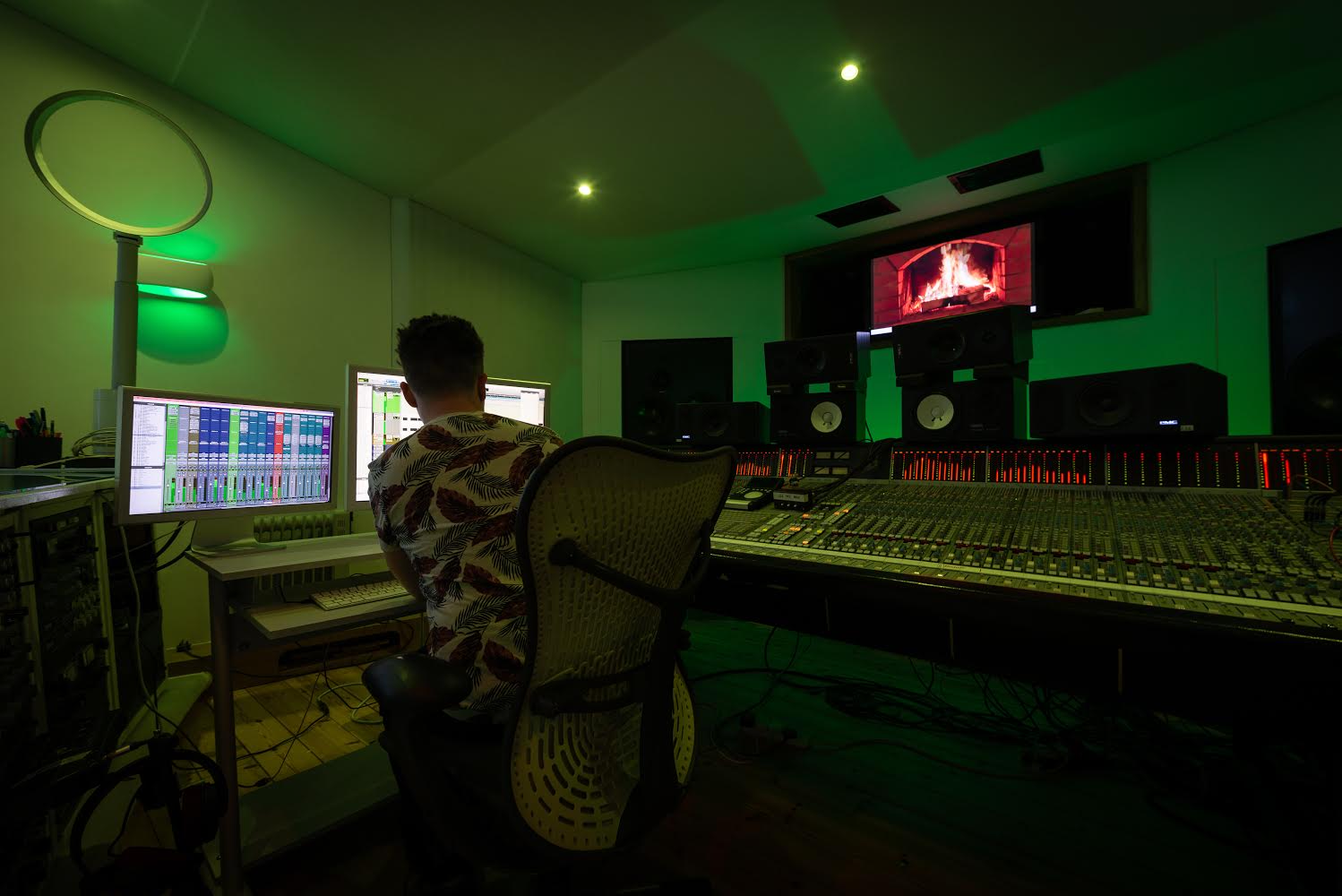
A recording engineer wears many hats during a session.
Depending on the artist and project, they may be:
Setting up microphones
Adjusting headphone mixes
Operating recording software
Offering production suggestions
Managing the session timeline
Keeping the atmosphere positive
Helping the artist achieve the performance they're aiming for
Perhaps most importantly, a good engineer helps remove obstacles between the artist and their creativity.
The goal is rarely to focus on technology.
The goal is to focus on capturing emotion.
What If I Make Mistakes?
You will.
Every artist does.
The biggest difference between experienced artists and new artists is not the number of mistakes they make.
It's how they react to them.
Experienced artists rarely panic when something goes wrong. They simply try again.
Many mistakes actually lead to creative breakthroughs.
Sometimes, a phrase sung differently before a mistake becomes the strongest part of the song.
Sometimes a wrong note inspires a better idea.
The studio should feel like a place to experiment, not a place to be judged.
What If I'm Nervous?
Almost every first-time artist is nervous.
That's completely normal.
In fact, we expect it.
Many artists take anywhere from 30 minutes to several hours to fully relax into the session.
One thing we've noticed over the years is that artists often become more comfortable as the song progresses.
It's common for Verse 2 to sound stronger than Verse 1 simply because the artist has settled into the performance.
For this reason, we will often revisit earlier sections later in the session once confidence has grown.
Sometimes moving microphones, changing rooms or simply taking a short break can completely change an artist's mindset and unlock a better performance.
What If I Don't Finish Everything?
This is far more common than people realise.
Professional engineers plan for this from the start.
We normally work to a hierarchy of priorities.
For a solo artist, that usually means:
Lead vocals
Harmonies and backing vocals
Additional production ideas
For a band, it may mean:
Rhythm section
Core instruments
Overdubs and extra production
If everything isn't completed during the session, there are always options:
Book another session
Continue through overtime
Complete editing and mixing remotely
Return later for additional overdubs
Recording is rarely an all-or-nothing process.

What Will I Leave With?
Before the session ends, most artists leave with some form of rough mix or monitor mix.
This allows you to:
Listen back at home
Share the music with management or collaborators
Reflect on the performance
Prepare for future sessions
Depending on the project, we can also provide:
Track-outs
Stems
Instrumentals
Alternative mixes
The exact deliverables depend on the goals established before the session.
Where Does The Time Go?
One of the most common comments we hear at the end of a session is:
"Where did the time go?"
Recording studios have a strange effect on time.
When you're focused on creating something meaningful, hours disappear remarkably quickly.
Artists are often surprised when they arrive in daylight and leave after dark.
That's usually a sign that you've been immersed in the creative process.
The best way to make the most of that time is to arrive with a plan, communicate clearly with your engineer and remain open to the unexpected moments that often become the best parts of a song.
What Happens During a Recording Session?
For many first-time artists, stepping into a professional recording studio is an experience in itself.
One of the first things people notice when they arrive at Westpoint Studios is how different a commercial recording environment feels compared to a bedroom, rehearsal room or home studio. The space is acoustically treated, exceptionally quiet when no music is playing, and filled with instruments, microphones and creative tools that encourage experimentation.
For many artists, simply seeing the space for the first time helps build excitement for the session ahead.
The First 15–30 Minutes
Despite what you might see in films, nobody walks into a recording studio and starts recording within two minutes.
The first part of a session is usually spent:
Getting comfortable in the space
Meeting the engineer
Discussing goals for the day
Reviewing the schedule
Downloading or importing session files
Setting up microphones and instruments
Answering any questions before recording begins
This planning stage is important because it helps avoid surprises later in the day.
For example, if an artist arrives expecting to record a full band in two hours, we'll quickly explain that setup alone could take a significant portion of that time. Having a realistic plan allows everyone to enjoy the process and make the most of the session.
What Should You Bring?
The answer depends on the type of session.
For a solo artist recording vocals over an existing instrumental, we would normally recommend bringing:
The backing track or instrumental
Track-outs if available (the individual elements of the production)
Lyrics
Any reference tracks you'd like us to hear
For singer-songwriters, we generally recommend bringing your own instrument. Although we have instruments available, artists are normally most comfortable performing on the guitar, bass or keyboard they have been practising with.
For drummers, we often recommend bringing what we call "breakables":
Cymbals
Snare drum
Kick pedal
These items often contribute heavily to a drummer's personal sound and feel.
Setting Up For Recording
Setup time varies enormously depending on the session.
A vocal session might be ready to go within 5–10 minutes.
An acoustic guitar and vocal session may take around 15–20 minutes.
A full band recording session can take several hours.
This is particularly true when recording drums. It's not unusual for a professional drum recording setup to involve 11 or more microphones before considering guitars, bass, keyboards and vocals.
The larger the production, the more preparation is required before the first note is played.
When Does Recording Actually Start?
Technically, recording starts the moment the artist begins performing.
In reality, we try to remove the pressure associated with the famous "red light" moment.
One technique we regularly use is simply recording the warm-up takes.
Artists often ask:
"Are you ready to record?"
Our response is frequently:
"We've already started."
This helps remove the psychological barrier between rehearsal and performance.
Many great moments happen when artists believe they are simply warming up.
Sometimes the most relaxed and natural performances happen before the artist realises they're doing a "proper" take.
What Does The Engineer Do?
A recording engineer wears many hats during a session.
Depending on the artist and project, they may be:
Setting up microphones
Adjusting headphone mixes
Operating recording software
Offering production suggestions
Managing the session timeline
Keeping the atmosphere positive
Helping the artist achieve the performance they're aiming for
Perhaps most importantly, a good engineer helps remove obstacles between the artist and their creativity.
The goal is rarely to focus on technology.
The goal is to focus on capturing emotion.
What If I Make Mistakes?
You will.
Every artist does.
The biggest difference between experienced artists and new artists is not the number of mistakes they make.
It's how they react to them.
Experienced artists rarely panic when something goes wrong. They simply try again.
Many mistakes actually lead to creative breakthroughs.
Sometimes, a phrase sung differently before a mistake becomes the strongest part of the song.
Sometimes a wrong note inspires a better idea.
The studio should feel like a place to experiment, not a place to be judged.
What If I'm Nervous?
Almost every first-time artist is nervous.
That's completely normal.
In fact, we expect it.
Many artists take anywhere from 30 minutes to several hours to fully relax into the session.
One thing we've noticed over the years is that artists often become more comfortable as the song progresses.
It's common for Verse 2 to sound stronger than Verse 1 simply because the artist has settled into the performance.
For this reason, we will often revisit earlier sections later in the session once confidence has grown.
Sometimes moving microphones, changing rooms or simply taking a short break can completely change an artist's mindset and unlock a better performance.
What If I Don't Finish Everything?
This is far more common than people realise.
Professional engineers plan for this from the start.
We normally work to a hierarchy of priorities.
For a solo artist, that usually means:
Lead vocals
Harmonies and backing vocals
Additional production ideas
For a band, it may mean:
Rhythm section
Core instruments
Overdubs and extra production
If everything isn't completed during the session, there are always options:
Book another session
Continue through overtime
Complete editing and mixing remotely
Return later for additional overdubs
Recording is rarely an all-or-nothing process.
What Will I Leave With?
Before the session ends, most artists leave with some form of rough mix or monitor mix.
This allows you to:
Listen back at home
Share the music with management or collaborators
Reflect on the performance
Prepare for future sessions
Depending on the project, we can also provide:
Track-outs
Stems
Instrumentals
Alternative mixes
The exact deliverables depend on the goals established before the session.
Where Does The Time Go?
One of the most common comments we hear at the end of a session is:
"Where did the time go?"
Recording studios have a strange effect on time.
When you're focused on creating something meaningful, hours disappear remarkably quickly.
Artists are often surprised when they arrive in daylight and leave after dark.
That's usually a sign that you've been immersed in the creative process.
The best way to make the most of that time is to arrive with a plan, communicate clearly with your engineer and remain open to the unexpected moments that often become the best parts of a song.